
Gambling's toll on emotional well-being understanding the mental health effects
Understanding Gambling Addiction
Gambling addiction is a serious issue that affects millions of individuals around the world. Characterized by an uncontrollable urge to gamble despite negative consequences, it can lead to significant emotional distress. Many individuals may initially view gambling as a form of entertainment, but it can quickly escalate into a compulsive behavior that impacts all aspects of life, including relationships, work, and personal well-being. In this context, exploring a new online casino can often amplify underlying issues.

The psychological underpinnings of gambling addiction often involve a mix of thrill-seeking behavior, escapism, and even a desire for social validation. The dopamine release during gambling can create a euphoric feeling, which reinforces the behavior. However, this temporary high is often followed by feelings of guilt, anxiety, and depression, which contribute to a vicious cycle that is difficult to break.
Emotional Consequences of Gambling
The emotional toll of gambling can be profound, leading to a range of mental health issues. Individuals may experience heightened anxiety, mood swings, and feelings of isolation as they grapple with their addiction. The constant stress of financial instability can exacerbate these issues, leaving individuals feeling trapped and hopeless.
Moreover, the impact is not limited to the gamblers themselves. Family members and friends often suffer as well, experiencing stress, anger, and disappointment. This creates a ripple effect that can fracture relationships and lead to further emotional turmoil for all involved. Support systems may become strained, further isolating the individual from the help they need.
Link Between Gambling and Mental Health Disorders
Research has shown a significant correlation between gambling addiction and various mental health disorders, including depression, anxiety disorders, and substance abuse issues. The chaotic lifestyle that gambling fosters can lead to a deterioration of one’s mental state, making existing conditions worse or contributing to the onset of new ones.
Individuals who struggle with mental health issues may turn to gambling as a form of self-medication, hoping to escape their emotional pain. Unfortunately, this often leads to a cycle of worsening mental health and escalating gambling behavior, creating a complex relationship that requires comprehensive treatment approaches.
Seeking Help and Support
Overcoming gambling addiction requires a multifaceted approach that often includes therapy, support groups, and sometimes medication. Cognitive-behavioral therapy (CBT) has proven effective in helping individuals understand the triggers of their gambling behavior and developing healthier coping mechanisms. Support groups, such as Gamblers Anonymous, provide a community of individuals who share similar struggles and can offer encouragement and understanding.
It is crucial for those affected to recognize that seeking help is a sign of strength, not weakness. Open conversations about gambling addiction can help reduce stigma and foster an environment where individuals feel safe to discuss their challenges and seek the support they need.
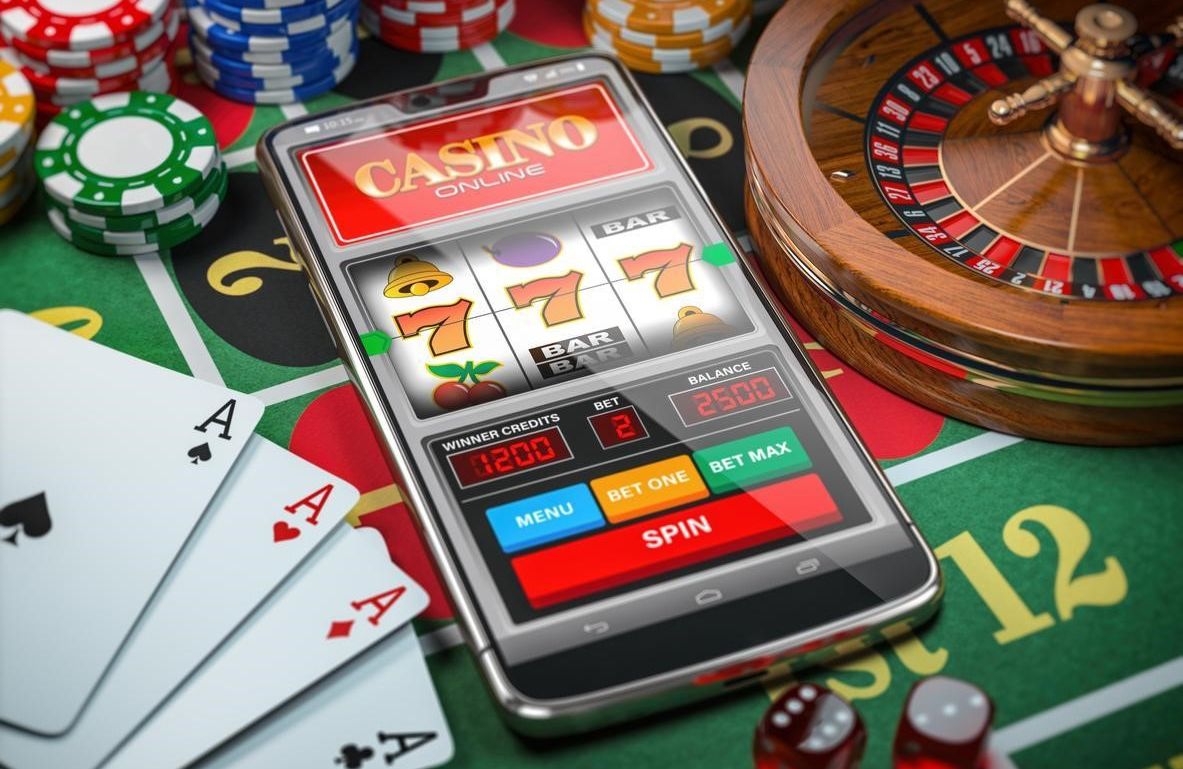
Making Informed Choices About Gambling
As the landscape of gambling continues to evolve, it is essential to approach the activity with caution and awareness. Understanding the potential emotional and mental health impacts can guide individuals in making informed choices. Being aware of one’s triggers and setting personal limits can help maintain a balance between entertainment and risk.
Additionally, online resources can provide valuable insights into safe gambling practices and highlight the importance of responsible gaming. It is vital to prioritize emotional well-being over the thrill of gambling, ensuring that it remains a fun activity rather than a detrimental escape.
Recent Comments